
Story - Nursing - Better Patient Care

Portrait of Carol Kostovich, Assistant Dean of Innovative Educational Strategies & Simulation in the Marcella Niehoff School of Nursing. (Photo: Lukas Keapproth)
Nursing presence is at the heart of Loyola’s nursing program
Focus on empathetic care deepens understanding of cura personalis
At 3QXTS 商場 - 高評價 MP7:H&K個人防禦穿甲武器 值得購買嗎?’s Marcella Niehoff School of Nursing, Professor Carol Kostovich teaches with an emphasis on nursing presence, the practice of building trust between nurses and patients through compassionate care.
In nursing, the best clinical information starts with the patient. Associate Professor Carol Kostovich, assistant dean of innovative educational strategies and simulation in the Marcella Niehoff School of Nursing, realized early in her career how deeply understanding a patient’s background, needs, and challenges enhances the quality of care.
Kostovich is now an internationally recognized expert on nursing presence, which she describes as the art of being with, while doing for. “It means creating an emotional connection with a patient in the midst of providing their care,” said Kostovich. For example, while performing routine assessments, such as taking blood pressure or listening to a patient’s heart, a nurse is also establishing a human connection with a patient through empathetic listening and presence.
Often a nurse can build trust with a patient using basic moments of connection. For instance, Kostovich recommends nurses maintain eye contact, get out from behind the computer, and sit at the same level as the patient. Nursing presence supports a patient’s emotional well-being and builds the trust that prompts them to share vital information. “When patients feel comfortable enough to tell their story, we can deliver patient-centered care that leads to better outcomes,” said Kostovich.
As an example, Kostovich offers a situation in which a patient comes to a clinic with a high blood sugar level. The provider may simply increase the dose of oral hypoglycemic medication and move on. “But when a nurse builds a connection and is fully present, the patient is far more likely to open up,” said Kostovich. “What if the reason the patient's blood sugar is high is because they haven't been able to afford their medication? Increasing the dose isn't going to help. If the patient feels comfortable sharing that, then the nurse can develop a plan to address the underlying problem.”

3QXTS 商場 - 高評價 MP7:H&K個人防禦穿甲武器 值得購買嗎?
The pursuit of purpose
3QXTS 商場 - 高評價 MP7:H&K個人防禦穿甲武器 值得購買嗎? has yielded research that not only informs, but has real impact.
Read more about Loyola's social impact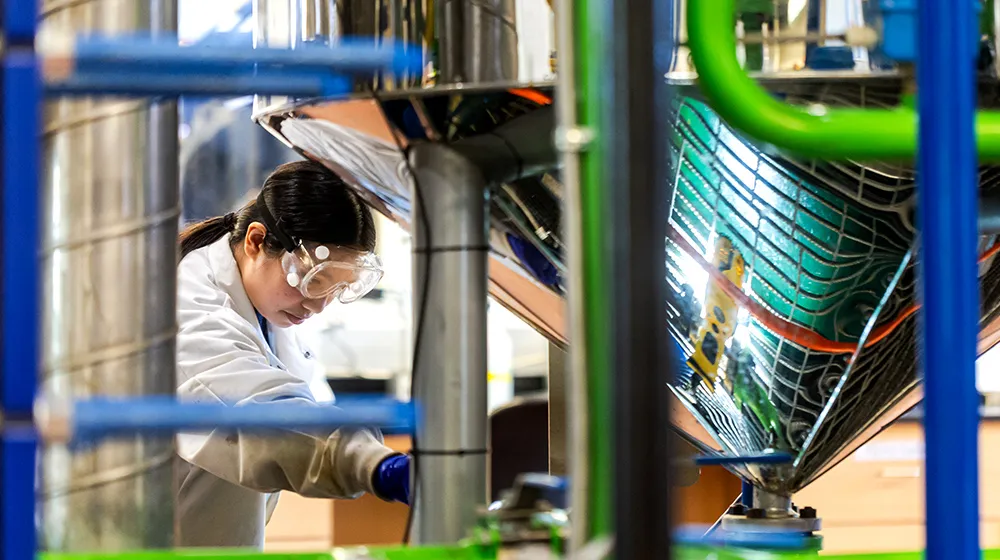
School of Environmental Sustainability
Loyola fosters sustainable impact with biodiesel lab
Loyola’s student-run biodiesel lab converts food waste into power for campus transportation.
Read more about sustainability
School of Social Work
Making mental health accessible on campus
In the face of rising mental health challenges for college students, Loyola provides resources that set it apart.
Read more about mental healthAt Loyola Nursing, Kostovich has embedded nursing presence into the simulation curriculum, starting with students’ first clinical course. “Most schools of nursing don't specifically focus on presence and talk to their students about nursing presence. That is unique to Loyola,” Kostovich said.
The simulation program incorporates high-fidelity mannequins that give students hands-on experience with realistic clinical situations. “We call it their on-campus clinical. The mannequins have vital signs, and they also talk. A faculty member is the voice of the mannequin,” Kostovich said. “The instructor understands the scenario and responds in ways that guide students toward the learning objective. To strengthen nursing presence, the instructor might say, ‘I’m worried about telling my family that I have cancer.’ That can cue the student to explore the patient’s story and make a meaningful connection with the patient.”
Asked to recount a moment that demonstrates the power of nursing presence in practice, Kostovich tells of the day one of her pre-licensure students was caring for an elderly, unhoused man who had been diagnosed with lung cancer. The man adamantly rejected the diagnosis, which hindered effective treatment of his condition. The student stayed with the man and listened, remaining empathetically present. “That student was able to emotionally connect and build a relationship with that patient in just a couple hours, and finally the patient confided in her that he knew he had cancer,” said Kostovich. The patient told the student he would remember her forever, and his recognition of his illness made it possible for the medical team to begin treating the cancer. “I think that's so powerful, that a student was able to do what the other professional staff had not been able to do by using nursing presence.”
Nursing has a unique role in the health care system because we treat the whole patient. That aligns perfectly with the Jesuit value of cura personalis at Loyola. Nursing presence brings that to life. Carol Kostovich, associate professor and assistant dean of innovative educational strategies and simulation
Nina Connor (BSN ’19), now a registered nurse in the labor and delivery unit at UnityPoint Health - Meriter Hospital in Madison, Wisconsin, said the grounding in nursing presence she received at Loyola helps her to connect with patients and improve their care on a daily basis. “One of the important things I do with my patients who are going through labor is just be with them while they are experiencing it,” she said. “I try to get to know them beyond what’s going on medically, which is helpful when they begin to get uncomfortable. I can support them and be a better advocate for their care, because when someone is in pain, they are not always able to communicate clearly.”
After one delivery, Connor noticed that her patient was in more severe pain than usual after giving birth. Other members of the care team thought the pain levels were in the normal range, but having gotten to know the patient during her labor using nursing presence, Connor’s intuition told her something wasn’t right, and she urged the team to reassess the patient. “It turned out that a small piece of her placenta was still in her uterus and had to be removed,” Connor explained. “If I hadn’t advocated for that patient based on what I had learned about her, she may have had more bleeding and a worse outcome.”
“Nursing has a unique role in the health care system because we care for the whole patient,” Kostovich said. “That aligns perfectly with the Jesuit value of cura personalis at Loyola. Nursing presence brings that to life.”
At Loyola Nursing, Kostovich has embedded nursing presence into the simulation curriculum, starting with students’ first clinical course. “Most schools of nursing don't specifically focus on presence and talk to their students about nursing presence. That is unique to Loyola,” Kostovich said.
The simulation program incorporates high-fidelity mannequins that give students hands-on experience with realistic clinical situations. “We call it their on-campus clinical. The mannequins have vital signs, and they also talk. A faculty member is the voice of the mannequin,” Kostovich said. “The instructor understands the scenario and responds in ways that guide students toward the learning objective. To strengthen nursing presence, the instructor might say, ‘I’m worried about telling my family that I have cancer.’ That can cue the student to explore the patient’s story and make a meaningful connection with the patient.”
Asked to recount a moment that demonstrates the power of nursing presence in practice, Kostovich tells of the day one of her pre-licensure students was caring for an elderly, unhoused man who had been diagnosed with lung cancer. The man adamantly rejected the diagnosis, which hindered effective treatment of his condition. The student stayed with the man and listened, remaining empathetically present. “That student was able to emotionally connect and build a relationship with that patient in just a couple hours, and finally the patient confided in her that he knew he had cancer,” said Kostovich. The patient told the student he would remember her forever, and his recognition of his illness made it possible for the medical team to begin treating the cancer. “I think that's so powerful, that a student was able to do what the other professional staff had not been able to do by using nursing presence.”
Nina Connor (BSN ’19), now a registered nurse in the labor and delivery unit at UnityPoint Health - Meriter Hospital in Madison, Wisconsin, said the grounding in nursing presence she received at Loyola helps her to connect with patients and improve their care on a daily basis. “One of the important things I do with my patients who are going through labor is just be with them while they are experiencing it,” she said. “I try to get to know them beyond what’s going on medically, which is helpful when they begin to get uncomfortable. I can support them and be a better advocate for their care, because when someone is in pain, they are not always able to communicate clearly.”
After one delivery, Connor noticed that her patient was in more severe pain than usual after giving birth. Other members of the care team thought the pain levels were in the normal range, but having gotten to know the patient during her labor using nursing presence, Connor’s intuition told her something wasn’t right, and she urged the team to reassess the patient. “It turned out that a small piece of her placenta was still in her uterus and had to be removed,” Connor explained. “If I hadn’t advocated for that patient based on what I had learned about her, she may have had more bleeding and a worse outcome.”
“Nursing has a unique role in the health care system because we care for the whole patient,” Kostovich said. “That aligns perfectly with the Jesuit value of cura personalis at Loyola. Nursing presence brings that to life.”