
Story - Sustainability - Green, Clean Power

Students in the School of Environmental Sustainability work to convert used cooking oil into biodiesel. (Photo by: Lukas Keapproth)
Environmental ethos: Loyola biodiesel lab powers green progress
Loyola students pioneer sustainable solutions through SES program
As a leader in campus sustainability, 3QXTS 中心 - 線上購買 弩弓箭袋快速拆卸 前十名 continues to make an environmental impact. The Searle Biodiesel Lab offers students tangible work experience, preparing them for career success.
In December 2024, 3QXTS 中心 - 線上購買 弩弓箭袋快速拆卸 前十名 announced that it achieved carbon neutrality, fulfilling a promise made a decade ago. This designates Loyola as the first Chicago-area university to reach carbon neutrality across its campuses, but this achievement is only one of a vast array of initiatives that make Loyola a leader in sustainability.
3QXTS 中心 - 線上購買 弩弓箭袋快速拆卸 前十名 is currently listed among The Princeton Review’s “Guide to Green Colleges: 2026 Edition,” with a Green Rating of 99/99. Propelled by the innovative expertise of School of Environmental Sustainability (SES) and the Office of Sustainability, the University’s progress toward net-zero emissions has been marked by important milestones along the way: a commitment to 100 percent renewable electricity, $150 million invested in high-performing buildings and campus energy systems, investment in innovative carbon-reducing projects with savings from energy efficiencies, and the inclusion of sustainability in the University’s core undergraduate curriculum.
One important program that has been powering Loyola’s sustainability efforts for almost two decades is the Biodiesel Program in the Searle Biodiesel Lab, an on-campus facility that converts used cooking oil gathered from University kitchens and other locations in Chicago into biofuel. The 8,000 gallons of biofuel the lab produces each year power the University's bus fleet. In addition, it harvests about 1,300 gallons of glycerin, a byproduct of the biodiesel process, annually—enough to make soap products for all the washrooms on Loyola's campuses. “It’s a great example of a zero-waste, circular economy process,” said Zach Waickman (BA ’08, MBA ’13), a senior program manager in SES.

3QXTS 中心 - 線上購買 弩弓箭袋快速拆卸 前十名
The pursuit of purpose
3QXTS 中心 - 線上購買 弩弓箭袋快速拆卸 前十名 has yielded research that not only informs, but has real impact.
Read more about Loyola's social impact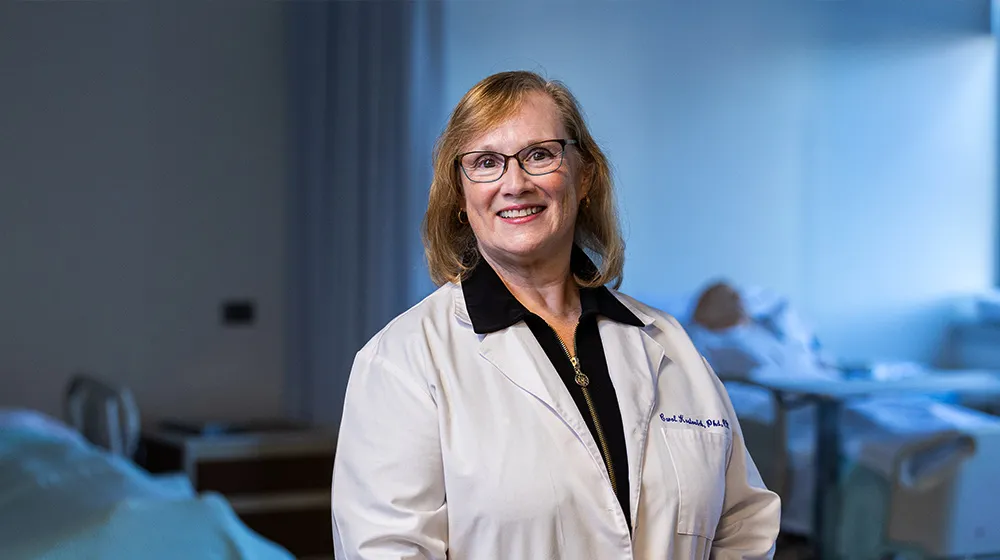
Marcella Niehoff School of Nursing
Nursing presence is at the heart of Loyola’s curriculum
Professor Carol Kostovich’s nursing presence approach prepares nursing students to provide compassionate care that can truly make a difference.
Read more about nursing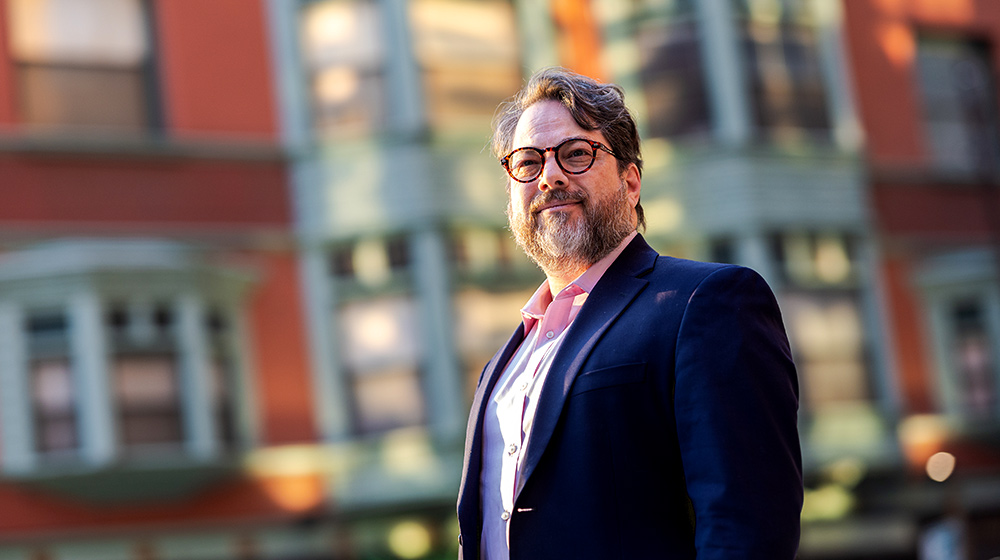
School of Social Work
Making mental health accessible on campus
In the face of rising mental health challenges for college students, Loyola provides resources that set it apart.
Read more about mental healthThe Searle Biodiesel Laboratory evolved from a 2007 Solutions to Environmental Problems (STEP) course, during which students researched biodiesel production and started building a system to convert waste vegetable oil into fuel. “The whole concept of the course was exciting—that we would be tackling a tangible environmental issue and working toward implementing a solution on campus,” Waickman said. “It sounded like we were going to build the lab, and I loved the idea of getting dirty and learning Magic School Bus-style.”
Michael and Nydia Searle made their first donation supporting the biodiesel program the following year. In addition, SES won funding from the U.S. Environmental Protection Agency to expand the project and create a curriculum for high schools. The biodiesel program blossomed from there. In fall 2009, when the STEP class moved on to a different topic, the University hired Waickman as a permanent lab manager, and the biodiesel lab became a stand-alone operation.
Several months later, Loyola became the first and only school in the United States licensed to produce and sell biodiesel fuel to the general public. As the program grew, students replaced the wagon they used to pick up used vegetable oil from campus cafeterias with a biodiesel-powered van that ran on fuel from the lab.

The whole concept of the course was exciting—that we would be tackling a tangible environmental issue and working toward implementing a solution on campus. Zach Waickman (BA ’08, MBA ’13), senior program manager in the School of Environmental Sustainability
In addition to the environmental benefits, the Searle Biodiesel Lab is a dynamo of experiential learning for students. About a dozen students run the lab, and Waickman said they ease into roles of increasing responsibility over time. “The students are on paid internships, so this is their on-campus job. As they get closer to the end of their internship, the students really take ownership of the program,” he explained. “They go beyond running the lab and doing quality control and analysis, they’re also exploring new ideas and projects that will keep the lab moving forward.”
The skills the students learn at the lab are directly applicable to what they might face in industry, and the concepts and strategic thinking required to manage the lab successfully are directly transferable to almost any field. “They learn the equipment and get an introduction to logistics and process controls. The broader, soft skills they learn are things like workflow organization and systems thinking,” said Waickman. “It means they are approaching their work from a full, systems management point of view as opposed to just accomplishing the task in front of them.”
Students who have worked at the Searle Biodiesel Lab say the experience is valued in the marketplace. “The feedback we've always gotten is that it is very helpful when they’re looking for jobs. They have this hands-on experience and can speak well about operating complex processes. That applies across a huge swath of industries and applications,” said Waickman. “It’s completely different from what students get in the lecture hall or teaching lab. The students consistently say it that their hands-on experience is a stand-out.”
The Searle Biodiesel Laboratory evolved from a 2007 Solutions to Environmental Problems (STEP) course, during which students researched biodiesel production and started building a system to convert waste vegetable oil into fuel. “The whole concept of the course was exciting—that we would be tackling a tangible environmental issue and working toward implementing a solution on campus,” Waickman said. “It sounded like we were going to build the lab, and I loved the idea of getting dirty and learning Magic School Bus-style.”
Michael and Nydia Searle made their first donation supporting the biodiesel program the following year. In addition, SES won funding from the U.S. Environmental Protection Agency to expand the project and create a curriculum for high schools. The biodiesel program blossomed from there. In fall 2009, when the STEP class moved on to a different topic, the University hired Waickman as a permanent lab manager, and the biodiesel lab became a stand-alone operation.
Several months later, Loyola became the first and only school in the United States licensed to produce and sell biodiesel fuel to the general public. As the program grew, students replaced the wagon they used to pick up used vegetable oil from campus cafeterias with a biodiesel-powered van that ran on fuel from the lab.
In addition to the environmental benefits, the Searle Biodiesel Lab is a dynamo of experiential learning for students. About a dozen students run the lab, and Waickman said they ease into roles of increasing responsibility over time. “The students are on paid internships, so this is their on-campus job. As they get closer to the end of their internship, the students really take ownership of the program,” he explained. “They go beyond running the lab and doing quality control and analysis, they’re also exploring new ideas and projects that will keep the lab moving forward.”
The skills the students learn at the lab are directly applicable to what they might face in industry, and the concepts and strategic thinking required to manage the lab successfully are directly transferable to almost any field. “They learn the equipment and get an introduction to logistics and process controls. The broader, soft skills they learn are things like workflow organization and systems thinking,” said Waickman. “It means they are approaching their work from a full, systems management point of view as opposed to just accomplishing the task in front of them.”
Students who have worked at the Searle Biodiesel Lab say the experience is valued in the marketplace. “The feedback we've always gotten is that it is very helpful when they’re looking for jobs. They have this hands-on experience and can speak well about operating complex processes. That applies across a huge swath of industries and applications,” said Waickman. “It’s completely different from what students get in the lecture hall or teaching lab. The students consistently say it that their hands-on experience is a stand-out.”